5 Feb 2026
What is Steward-Ownership? The 2 principles of Steward-ownership
By The Purpose Foundation
This website explores steward-ownership, a business model that protects purpose and independence. It separates control from profit so decisions stay with people committed to the mission, while profits are reinvested or used to support long-term impact.
View resourceSummary
Steward-ownership is an alternative ownership model that helps businesses stay focused on their purpose. Instead of being owned by shareholders who may prioritise financial returns, steward-owned companies are structured so that control stays with people who are actively involved in the business and committed to its mission.
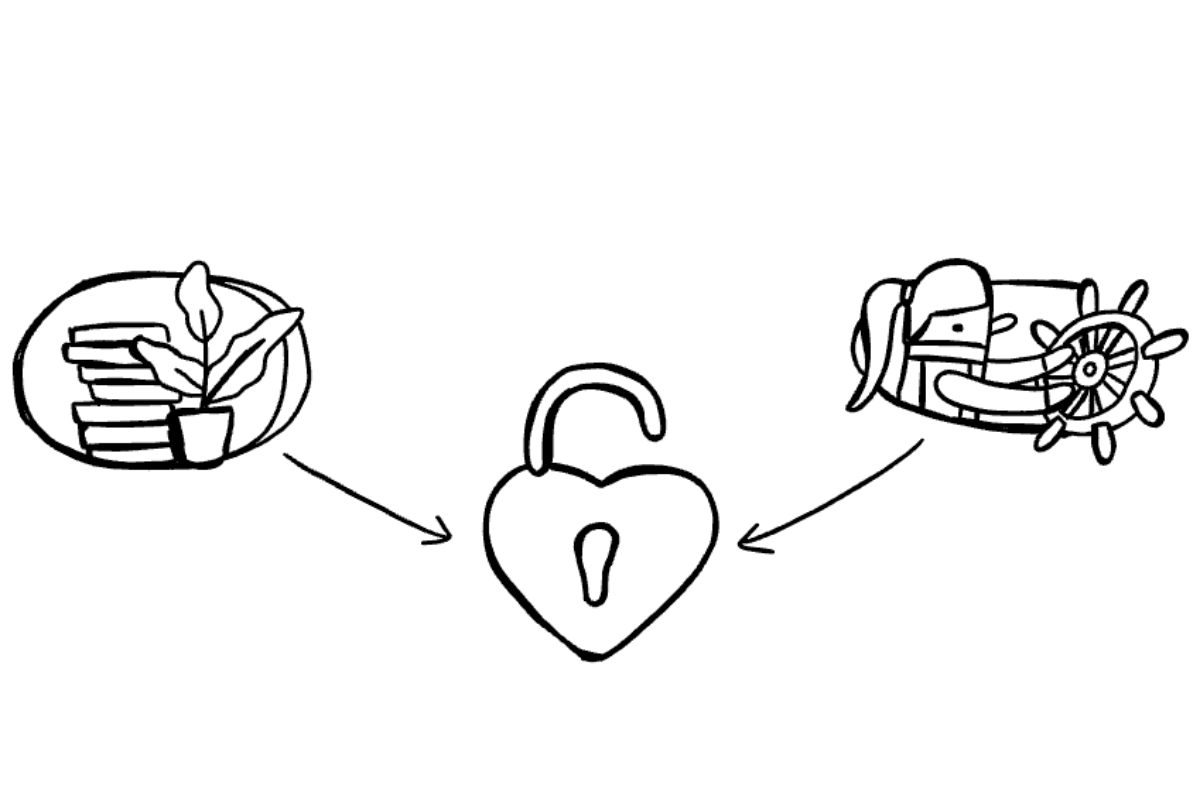
The model is based on two core principles. First, voting control remains with stewards, meaning individuals who work in or are closely connected to the company’s purpose. Second, profits are either reinvested into the business or used to support its mission, rather than being extracted for private gain.
This structure protects a company from being sold purely for financial reasons and reduces pressure for short-term profit decisions. It supports long-term thinking, independence, and accountability to purpose.
The Steward-Ownership website explains the legal and structural options for setting up this model in different countries and shares examples of companies that use it. The LinkedIn post reinforces the message that ownership shapes behaviour. It encourages leaders to think carefully about how ownership structures influence power, decision-making, and long-term impact.
Overall, steward-ownership offers a way for businesses and social enterprises to align governance, control, and profit with their mission, helping to build organisations that serve people and the planet over time.
We’d love to hear from you!
Reach out to one of our team members, and share input and ideas about how we can evolve Understorey.
Get in touch